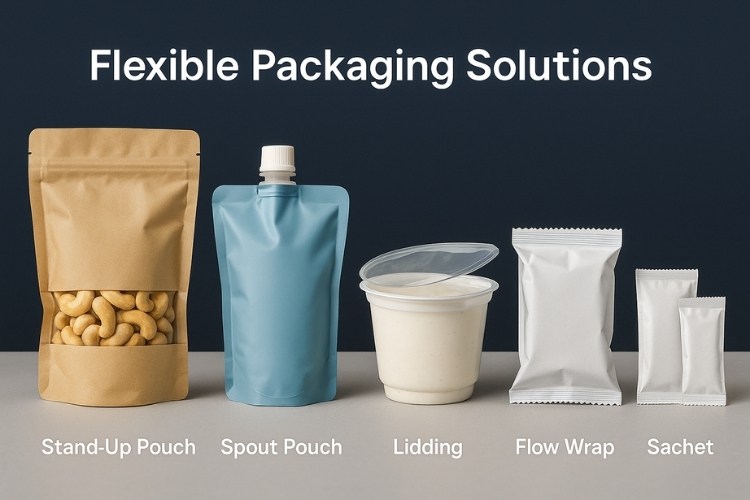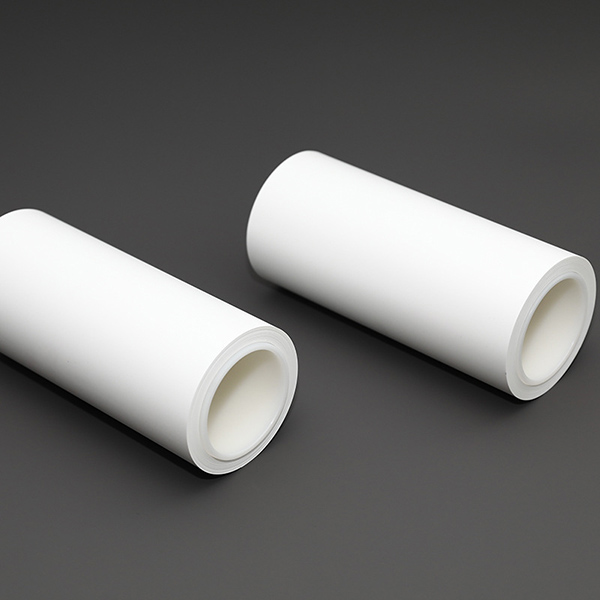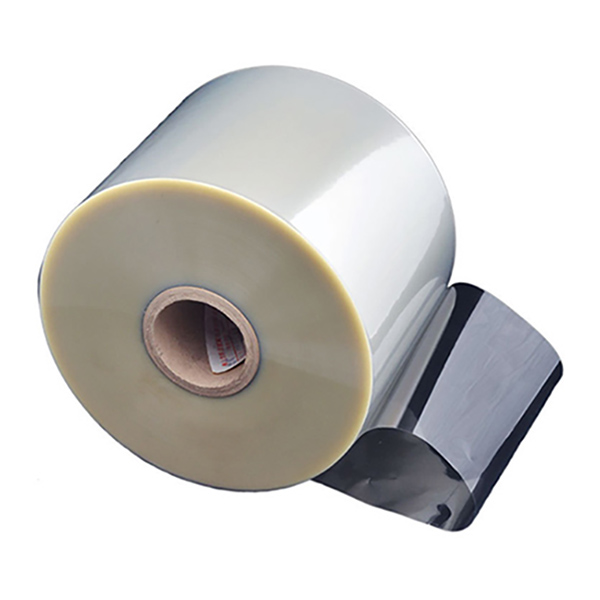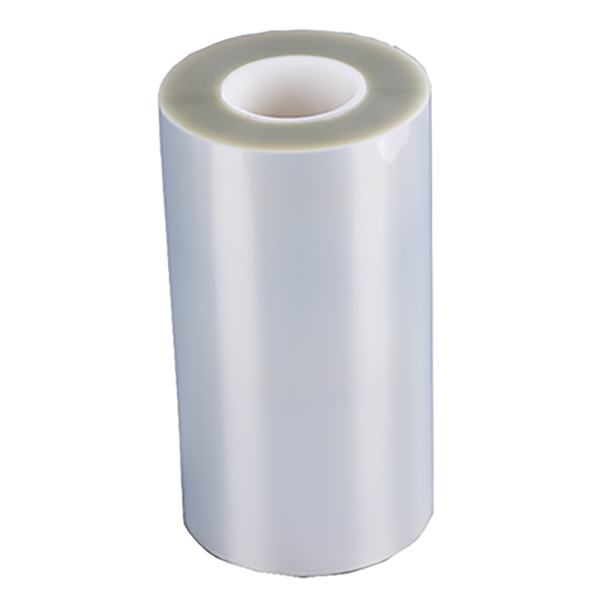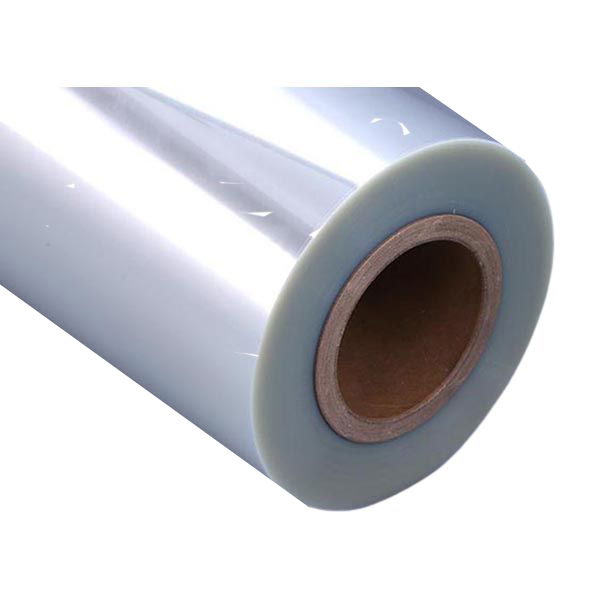
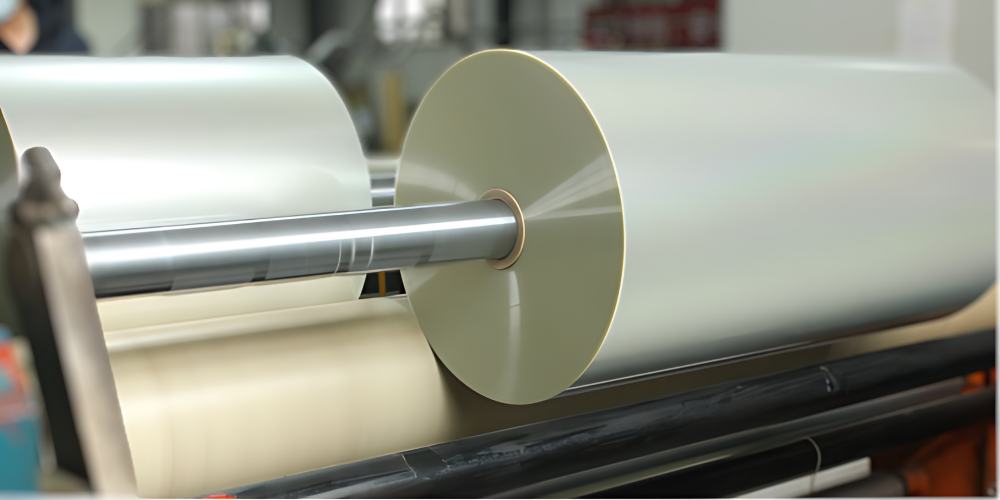
BOPET film is a biaxially oriented polyester film that you can find almost everywhere – from snack packaging and coffee pouches to insulation in motors and backsheets in solar panels. Thanks to its strength, clarity, and thermal and chemical stability, it has become one of the most important technical films in modern industry.
In this guide, we classify BOPET film by application type – packaging, decorative, electrical, photosensitive, magnetic and special functional films – and explain where each type is used and what performance it delivers. If you want to focus only on flexible packaging, you can also refer to our dedicated article “BOPET Film for Packaging” and application-based overview “Top Uses of BOPET Film in Everyday Products.”
As a BOPET film manufacturer and exporter in China, CloudFilm supplies a full range of polyester films and laminates for food packaging, electronics, labels, solar energy and more. Throughout this article we will point to related products and resources so that you can quickly match each BOPET film type with a practical structure and real application.
What Is BOPET Film? Key Properties
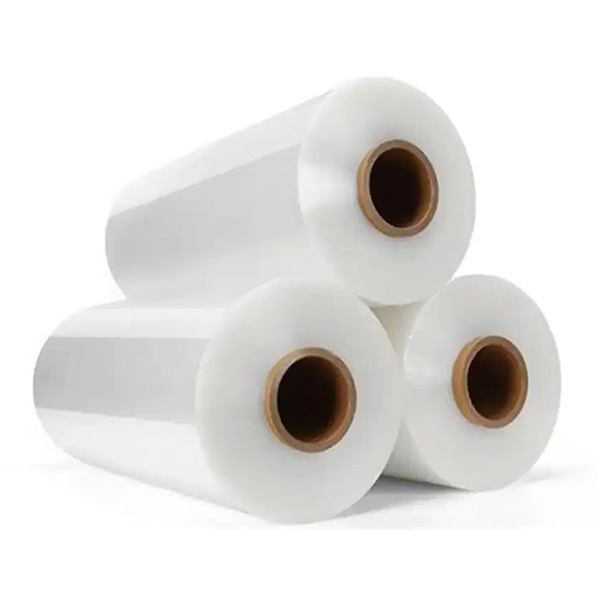
BOPET (Biaxially Oriented Polyethylene Terephthalate) film is a polyester film that is stretched in both machine and transverse directions. This biaxial orientation increases crystallinity and aligns polymer chains, which gives the film:
- High tensile strength and stiffness
- Excellent dimensional stability under heat
- Good barrier to gases and aromas
- Outstanding clarity and gloss for printing and display
- Strong electrical insulation and chemical resistance
In many markets, BOPET film is also called polyester film or Mylar. If you need detailed data such as density values, conversion between thickness, weight and area yield, or how Mylar’s microstructure affects performance, you can refer to our in-depth guides “PET Film Density: The Ultimate Guide for Engineers, Buyers, and Manufacturers” and “Mylar Properties: A Practical Guide for Packaging and Industrial Uses.”
CloudFilm produces BOPET films from standard transparent grades to white, black, metallized, high-barrier ALOx, anti-static and heat-sealable films, so that converters and brands can build the exact laminate structure they need for each application.
BOPET Film for Packaging Applications
1.1 Printed Composite Films
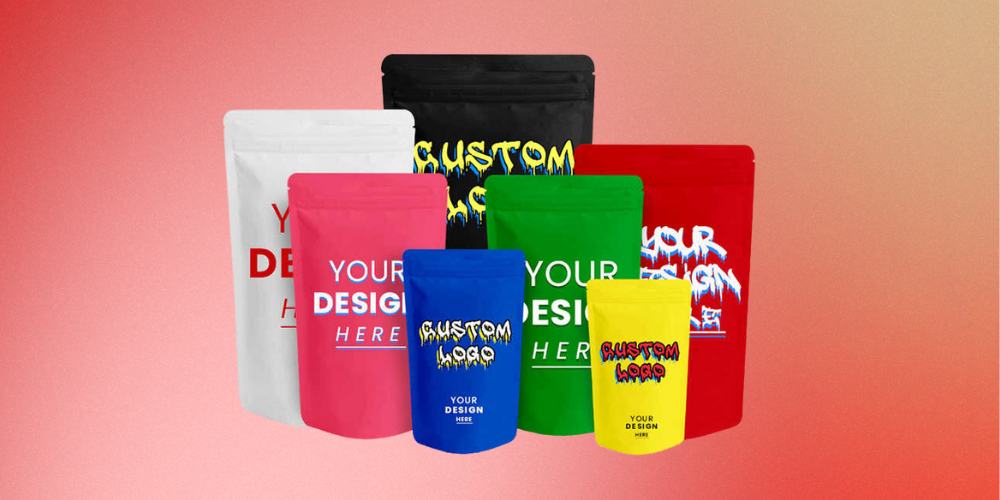
Composite films are commonly used to enhance packaging effects and achieve complementary properties and sealing functions. They normally combine the BOPET thermal lamination film or BOPET gloss Film laminating with PE, CPP, BOPA, or EVOH films. Dry lamination, which bonds two or more substrates using a solvent-based adhesive, is the primary method for creating composite films.
The table below shows examples of the structure and application of BOPET composite films.
| Packaged Goods | Laminated Film Structure |
|---|---|
| Food | |
| Milk Powder | PET-AL/CPE |
| Coffee | PET/PVDC/PE |
| Tea | PET-AL/CPE |
| Hot Pickled Tuber Mustard、Salted Product | PET-AL/PE |
| Biscuits | B0PP/PET-AL/CPE
PET/CPE |
| Small Sausage、Lunch Meat | PET/PVDC/PE |
| Cheese | PET(127)/PE(50)
PET(127)/PVDC(25)/PE(50) |
| Semi-Finished Products
(vegetables, cold cuts, fish, etc.) |
PET(127)/PE(50) |
| Liquid Soup | PET/PVDC/PE |
| Rice Cake | PET(12)/PE(50) |
| Cooking Food | PET/AL/HDPE
PET/HDPE PET/CPP |
| Military Food | PET/PE、PET/AL/PE |
| Broad Bean | PET/PE |
| Non-food | |
| Medical surgical equipment injection needle, etc | PET/PE |
1.2 Vacuum Metallized Films
PET Aluminized films are produced by vacuum depositing a very thin layer of metal aluminum onto the surface of BOPET films through a unique process.
The processing occurs in a high vacuum, where heating melts and evaporates metal aluminum. The vapor is deposited on the BOPET film surface, forming a metallic aluminum foil layer, giving the film a metallic luster and significantly enhancing its barrier properties.
Therefore, aluminized films are widely used in packaging for food, pharmaceuticals, and chemical products, such as fast food, tea, coffee, milk powder, and cosmetics.
1.3Electrochemical Aluminum (Hot Stamping Film)
Electrochemical aluminum hot stamping is a special printing process that does not require ink. It uses a template on a hot stamping machine to quickly transfer metal foil or pigment from the hot stamping foil to the product surface under specific pressure and temperature, forming images and text. This process is also colloquially known as hot stamping.
1.4 Heat Transfer Film
PET heat transfer films are specialized plastic films made from Polyethylene Terephthalate (PET), which is renowned for its strength, dimensional stability, and chemical resistance. These films are widely used in heat transfer to imprint designs onto various materials, including textiles, metals, and plastics, through a combination of heat and pressure.
PET heat transfer films come in different types to cater to specific applications, such as general-purpose, low-temperature, and high-strength films, as well as transparent and recyclable variants. The structure of a typical PET heat transfer film comprises several layers: the PET base material, a release layer, a printed pattern layer, and sometimes an adhesive layer for enhanced bonding with the substrate.
This technology offers a fast, efficient, and aesthetically pleasing method to decorate products, making it a popular choice in industries ranging from fashion and labeling to packaging and promotional goods. Its versatility and environmental friendliness, owing to its recyclability, underscore its growing preference in the market.
1.5 Laser Anti-Counterfeiting Film
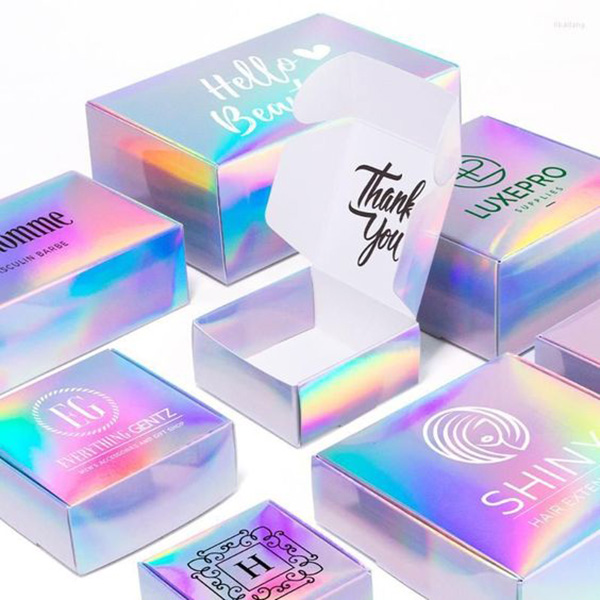
In the production of laser holographic anti-counterfeiting films, patterns that can be displayed by laser are embossed on the PET film, followed by aluminum plating, mainly for anti-counterfeiting purposes, hence known as laser anti-counterfeiting filFor instance, holographic anti-counterfeiting labels can be found on internationally recognized bank credit cards, government-issued licenses, ID cards, driver’s licenses, passports, customs documents, certain national currencies, as well as clothing and electrical appliances from global brands.
1.6 Protective Card Film
Made from a PET film base, the surface is coated with a heat-sealable thermosetting adhesive, such as EVA. It is primarily used for protecting the surfaces of documents, files, photographs, and other items.
1.7 Heat Sealable Film
A heat-sealable co-polymer resin, such as PETG, is added to the outer layer of a triple-extruded PET film, giving it heat-sealing properties without the need for compositing with PE or CPP.
1.8 Heat Shrink Film
With the development of PET beverage bottles, the demand for PETG heat shrink film to create heat shrink labels for PET beverage bottles has increased. PETG heat shrink film, belonging to the polyester family like PET, is an environmentally friendly material. It is easily recyclable and reusable and does not pollute the environment, making it an ideal substitute for PVC.
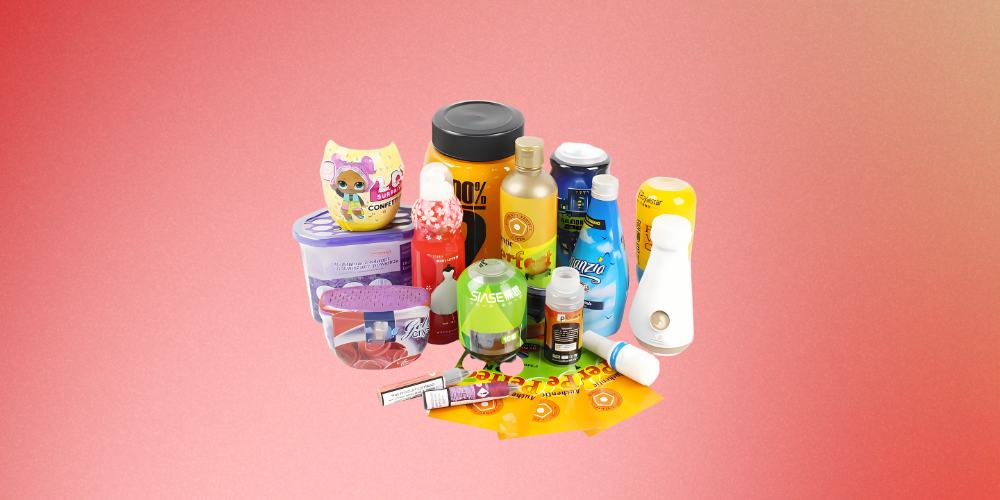
The features of heat shrink film packaging include:
- Body-fitting transparency, highlighting the product’s appearance.
- Tight wrapping with excellent scatter prevention.
- Rain, moisture, and mold resistance.
- Irreversibility offers some anti-counterfeiting.
In addition to being used as shrink labels, PETG heat shrink film is also used in packaging for alcohol and cosmetics, with its demand expected to grow by 6~8% annually. In recent years, it has also been used for the outer packaging of daily-use products.
It protects packaged items from impact, rain, moisture, and rust and enhances user attraction through beautifully printed packaging, reflecting a positive image of the manufacturer. Currently, many packaging manufacturers opt for printed shrink films over traditional transparent films.
BOPET Film for Decorative & Glass Applications
2.1 Gold and Silver Threads
This material is made from a PET film base through vacuum aluminum plating and color coating. It is colorful and bright and is widely used in knitting, embroidery, crafts, and decorations.
Gold and silver threads are mainly used in clothing and textiles for embroidery, weaving, and fabric decoration, enhancing the aesthetic and uniqueness of the products.
In handicraft production, gold and silver threads create decorations such as jewelry, Christmas ornaments, and art pieces.
In some cultures, gold and silver threads have special symbolic meanings and are often used in traditional costumes and ceremonial items.
2.2 Glass Film
At present, glass films are mainly divided into three categories: architectural glass film, automotive glass film, and safety glass film.
Architectural glass films are primarily used for energy savings and have UV protection and safety features. They are generally between 25 and 38 micrometers thick and are divided into heat-reflective and low-emissivity films.
- Heat-reflective films applied on the glass surface allow visible and near-infrared light to enter while blocking far-infrared light. This helps maintain sufficient indoor lighting, reflecting most of the solar heat, thereby controlling indoor temperature and reducing air conditioning load in summer to achieve energy savings.
- Low-emissivity films allow short-wave solar radiation to penetrate, enabling the absorption of solar heat by indoor objects and reflecting over 90% of the long-wave infrared rays to retain indoors. This type of film effectively utilizes solar energy and indoor long-wave radiation, particularly suitable for cold regions and heated buildings, achieving insulation and energy-saving effects.
Besides energy-saving and safety features, automotive glass films must also be highly transparent. When applied to car windshields, their visible light transmittance must exceed 70% to meet the national standard GB7258-1997.
Safety glass film is primarily used for explosion-proof safety and is commonly found in banks, jewelry store windows, and museums. It is highly transparent and has good impact resistance and UV-blocking abilities. Safety films are usually composed of single or multiple layers of PET, with thicknesses including 50, 100, 180, 280, and 380 micrometers.
BOPET Film in Electrical & Electronic Applications
3.1 Insulation Materials
BOPET film, known for its excellent insulation and high-temperature resistance, is commonly used in the insulation layer of wires and cables, effectively isolating the current to ensure safe operation.
3.2 Motors and Transformers
BOPET film, insulating paper in motors and transformers, enhances the insulation performance of the equipment and reduces performance loss caused by electromagnetic interference.
3.3 Capacitor Manufacturing
BOPET film is widely used in capacitor manufacturing, especially in film capacitors, due to its high dielectric constant and low dielectric loss.
3.4 Flexible Printed Circuit Boards
In manufacturing Flexible Printed Circuit Boards (FPCBs), BOPET film supports substrates and insulation layers while maintaining lightness and flexibility.
3.5 LED Light Manufacturing
BOPET film is used to manufacture LED lights, isolating and protecting circuit boards, ensuring their heat resistance and stability.
BOPET Film as Photosensitive & Optical Material
4.1 Photographic Film Base
Traditional photography uses BOPET film as the base material for film rolls. Its strength and transparency ensure stability under light exposure, maintaining clear images.
4.2 Digital Printing Media
BOPET film is a photosensitive material in digital printing, creating high-quality print media suitable for outdoor advertising and high-resolution imagery.
4.3 Flat Panel Displays
BOPET film is a base layer in flat panel displays like LCD and OLED, providing mechanical stability and optical properties.
4.4 Photoresist Support Material
BOPET film is a support material for photoresists in semiconductor and microelectronics manufacturing, aiding in the formation of precise circuit patterns.
4.5 Medical Imaging Materials
BOPET film ensures clarity and stability in the production of X-ray films and other medical imaging materials.
BOPET Film as Magnetic Tape Base
5.1 Magnetic Tape Base Material
BOPET film is commonly used as the base material for magnetic tapes due to its high strength and good dimensional stability, fully meeting the critical requirements of tape manufacturing.
5.2 Data Storage
When magnetic tapes are used to store audio, video, and computer data, BOPET film provides robust and reliable support, ensuring long-term stable data storage.
5.3 Durability and Stability
BOPET film, with its chemical resistance, heat resistance, and tensile strength, ensures the durability and stability of magnetic tapes during long-term use and repeated playbacks.
5.4 High-Quality Audio and Video Recording
BOPET film, used as the base for magnetic tapes in professional audio and video recording, ensures high-quality recording due to its physical and chemical stability.
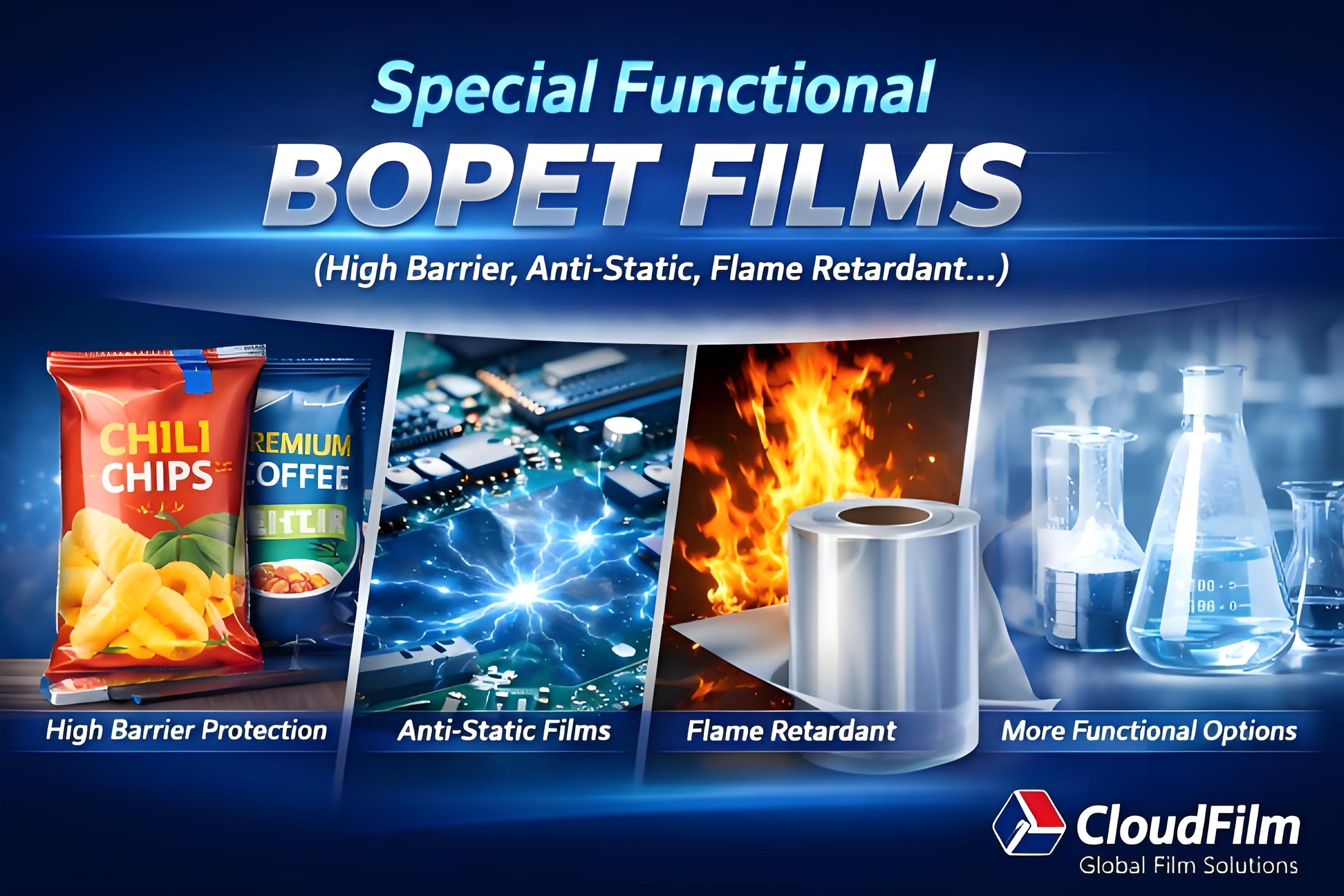
Special Functional BOPET Films (High Barrier, Anti-Static, Flame Retardant…)
6.1 High Barrier Film
ALOx Coated BOPET film, with its exceptional gas and water vapor barrier properties, is widely used to enhance the shelf life and protection of food, pharmaceutical packaging, and sensitive electronic products.
6.2 Anti-static Film
BOPET film, with its special surface treatment or coating, effectively reduces static accumulation in anti-static film applications, protecting sensitive electronic devices from electrostatic damage and dust adhesion.
6.3 Flame Retardant Film
BOPET film, enhanced with special flame retardants or through processing techniques, improves fire resistance. It effectively slows the spread of flames in electronics, construction, and transportation, enhancing safety.
6.4 Antibacterial Film
BOPET film, with surface coatings or embedded antibacterial agents, provides antibacterial and anti-fouling properties and is widely used in areas requiring strict hygiene control, such as medical, food packaging, and public facilities.
6.5 Release Film
BOPET film’s smooth, non-stick surface makes it an ideal carrier for adhesives or other substances, easily released or removed during manufacturing or use.
6.6 Diffusion Film
BOPET film’s optical diffusion properties make it widely used in LED lighting and LCD screens. It evenly disperses light, enhancing lighting effects and visual experience.
6.7 Reflective Film
BOPET film, with its high reflectivity and weather resistance, is effectively used in solar panels, lighting, and decoration, reflecting light to increase energy efficiency and aesthetics.
6.8 Backsheet Film
The weather resistance and UV protection capabilities of BOPET film shield the cells from environmental impact, its high mechanical strength and chemical resistance ensure structural stability and its excellent electrical insulation characteristics enhance safety performance. Additionally, its reflective and light-transmitting properties further increase the energy conversion efficiency of solar cells, improving energy utilization efficiency and durability.
Frequently Asked Questions About BOPET Film
Q1. What is the difference between BOPET film and ordinary PET film?
A1. BOPET film is a biaxially oriented polyester film. It is stretched in both machine and transverse directions, which gives it higher strength, stiffness and dimensional stability compared with unoriented or mono-oriented PET film.
In packaging and industrial applications, when people say “PET film” they usually mean BOPET film, because BOPET is the standard form used for printing, laminating, insulation and high-performance applications.
Q2. What BOPET film thickness is most common in flexible packaging?
A2. In flexible packaging, BOPET film is most often used in the range of 8–25 microns, with 12 micron being a very typical thickness for printed outer layers. Thinner films help reduce cost and improve flexibility, while thicker films provide more stiffness and mechanical strength.
If you are unsure which thickness to choose, you can send CloudFilm your current laminate structure or sample photo and we will recommend a suitable BOPET thickness for your application.
Q3. Is BOPET film suitable and safe for food contact?
A3. Yes. BOPET film is widely used as a food-contact material when it is produced with food-grade resins and manufactured under appropriate hygiene and regulatory standards. In most flexible packaging, BOPET is used as the printed outer or barrier layer and is laminated to PE, CPP or other sealant films that form the direct contact layer.
CloudFilm can supply food-grade BOPET films and corresponding certificates to support your regulatory and compliance needs in different markets.
Q4. Is BOPET film recyclable and how can I design more sustainable packaging?
A4. BOPET itself is a recyclable polyester material. However, many traditional laminates use mixed structures such as PET/AL/PE or PET/PA/PE, which can be difficult to recycle in standard streams. To improve recyclability, more brands are moving towards mono-PET or mono-PE structures and carefully designed barrier films.
CloudFilm offers solutions such as heat sealable PET film for mono-PET structures and recyclable PE-based film solutions for mono-PE pouches. Our team can help you evaluate your current structure and suggest more recycling-friendly alternatives step by step.
Q5. How can I quickly choose the right BOPET film type for my project?
A5. The fastest way is to start from your end application and target structure. For example:
- For snacks, coffee and dry foods: start with transparent or metalized BOPET packaging films and combine with PE/CPP.
- For labels and shrink sleeves: consider PETG shrink film or high-clarity PET label film.
- For electrical insulation: focus on electrical-grade PET film with stable dielectric properties.
- For high barrier: use Aluminized PET film or ALOx PET film as the barrier layer.
You can browse CloudFilm’s BOPET Film product family and send us your product information, then our team will recommend 1–2 BOPET grades and provide free sampling for trial.
Wrapping Up: How to Move from BOPET Theory to Real Projects

From food packaging and coffee pouches to solar backsheets, labels and electronic insulation, BOPET film connects many different industries with one material platform. By understanding how BOPET behaves as a packaging film, decorative film, electrical insulation, photosensitive base and special functional film, you can design structures that balance performance, cost and sustainability.
If you already have a target application in mind, you can:
- Browse our BOPET Film product family for standard, metallized, ALOx, anti-static, white, black and heat-sealable grades.
- Read application-focused guides like “BOPET Film for Packaging”, “Top Uses of BOPET Film in Everyday Products”, “PET Film Density” and “Mylar Properties” to refine your structure and specification.”
- Send CloudFilm your current laminate structure, product drawing or performance requirements – our technical team will propose suitable BOPET grades and offer free sampling support.
With over 20 years of experience in BOPET and flexible packaging films, CloudFilm is ready to help you move from material concepts to stable, repeatable production. Get in touch for a free quote and one-stop BOPET film solution for your market.