
Introduction: The Importance of Medical Flexible Packaging
Medical flexible packaging plays a crucial role in the healthcare industry, serving as the primary protective barrier for pharmaceuticals, medical devices, and diagnostic products. The global medical packaging market reached approximately $34.8 billion in 2023, with flexible packaging representing a significant and growing segment.
This comprehensive guide explores the fundamentals, market dynamics, applications, and future trends in medical flexible packaging, providing valuable insights for industry professionals, investors, and stakeholders seeking to understand this vital sector.
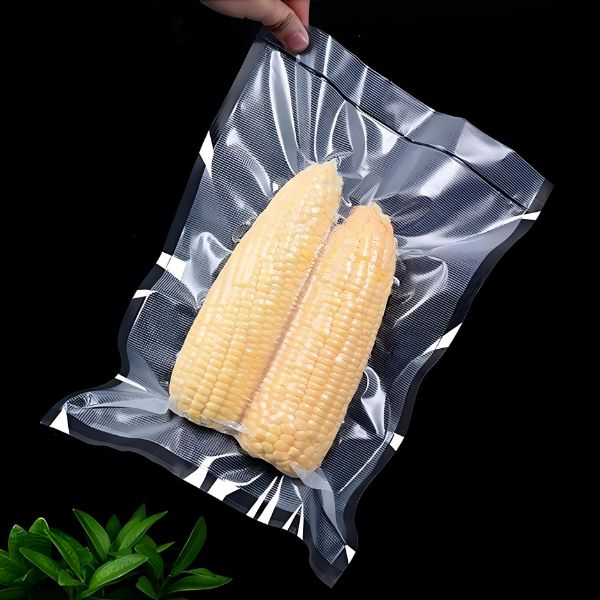
As a specialist manufacturer and exporter, CloudFilm helps global healthcare brands develop sterile barrier pouches, blister lidding films and tray lidding structures that align with international regulations and sterilization processes, providing reliable medical flexible packaging from material selection through to logistics.
Basic Concepts of Medical Flexible Packaging
Medical flexible packaging refers to pliable packaging solutions that conform to the shape of the product while providing protection against external factors. These packages are typically constructed using plastic films, paper, aluminum foil, or combinations of these materials.
Unlike rigid packaging, flexible solutions offer lightweight, space-efficient alternatives that can reduce shipping costs and environmental impact.
The unique requirements for medical flexible packaging include exceptional physical and chemical properties, biocompatibility, and the ability to maintain product stability throughout the shelf life.
These packages must withstand sterilization processes, prevent contamination, and protect sensitive medical contents from moisture, oxygen, light, and other environmental factors that could compromise product integrity.
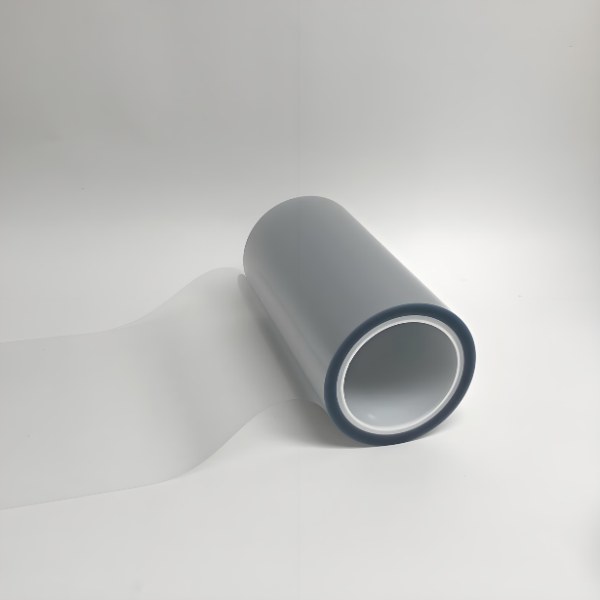
In real projects, medical flexible packs are often built from transparent nylon/PE laminates, coextruded barrier films and clear PET/PE or PE-based webs that can be laminated, slit and converted into medical pouches, lidding films and overwraps.
CloudFilm routinely engineers solutions based on PE PA PE film, PA/PE film and clear plastic film to balance sterile barrier performance, clarity and mechanical toughness for different devices, reagents and pharmaceutical products.
In-depth Market Analysis of Medical Flexible Packaging
The global medical flexible packaging market has demonstrated consistent growth, driven by expanding healthcare needs, technological advancements, and increasing regulatory requirements.
North America currently dominates the market, followed by Europe and the Asia-Pacific region, which shows the highest growth potential due to developing healthcare infrastructure and increasing pharmaceutical production.
Key market drivers include the growing pharmaceutical industry, aging populations requiring more medical products, stringent regulations ensuring product safety, and innovations in packaging materials and technologies.
However, the industry faces challenges such as environmental concerns regarding plastic waste, cost control pressures, and increasingly complex regulatory landscapes across different regions.
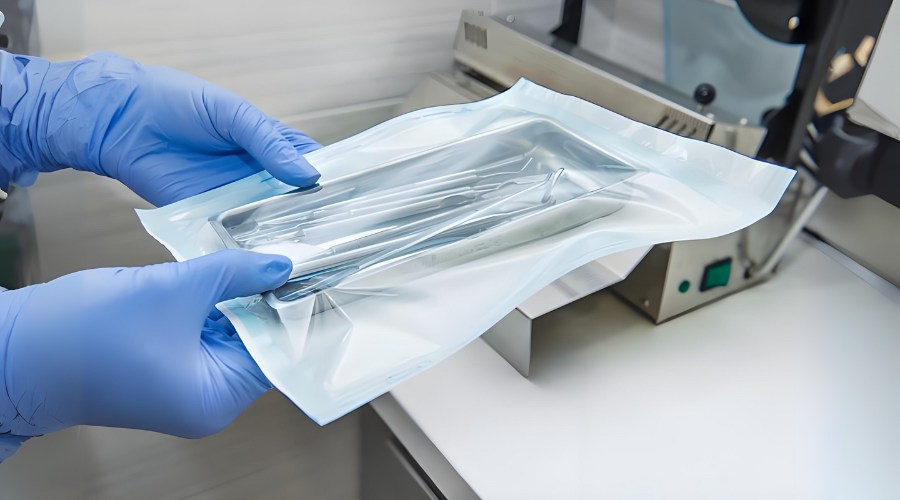
Table: Global Medical Flexible Packaging Market Overview
| Region | Market Share (2023) | Growth Rate (2024-2030) | Key Drivers |
|---|---|---|---|
| North America | 38% | 4.5% | Strict regulations, advanced healthcare system |
| Europe | 29% | 4.2% | Aging population, quality standards |
| Asia-Pacific | 22% | 7.8% | Growing pharmaceutical industry, healthcare investments |
| Rest of World | 11% | 5.3% | Improving healthcare access, rising standards |
For buyers and packaging engineers, this steady growth means more options but also more complexity in supplier selection and qualification. Partnering with an experienced producer like CloudFilm can shorten validation time, simplify multi-country regulatory coordination and stabilize long-term supply for critical medical flexible packaging projects.
Major Types and Applications of Medical Flexible Packaging
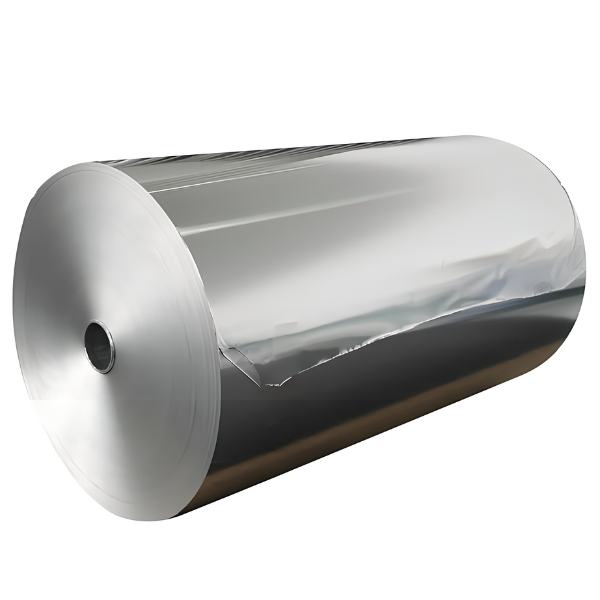
Medical flexible packaging can be categorized by material composition and application areas. By material, the main types include plastic-based packaging (using films like PVC, PET, PP), aluminum foil composites, and paper-plastic combinations. Each material offers specific barrier properties and suitability for different medical applications.
In terms of applications, medical flexible packaging serves various segments:
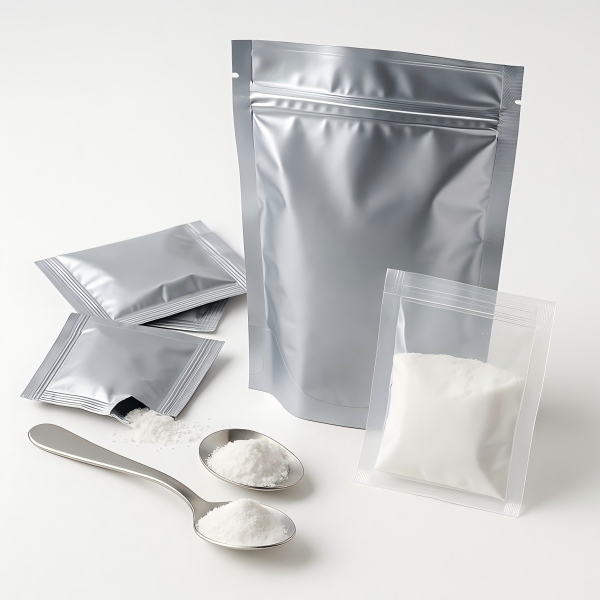
- Pharmaceutical packaging: Including blister packs, pouches for tablets and capsules, and sachets for powders
- Medical device packaging: For surgical instruments, implants, and disposable devices
- Diagnostic packaging: For test kits, reagents, and specimen collection containers
Innovative packaging forms have emerged to address specific needs, such as sterile packaging systems that maintain product sterility until use, child-resistant packaging for enhanced safety, and smart packaging with features like temperature indicators or authentication technologies.
Key medical formats and recommended CloudFilm materials include:
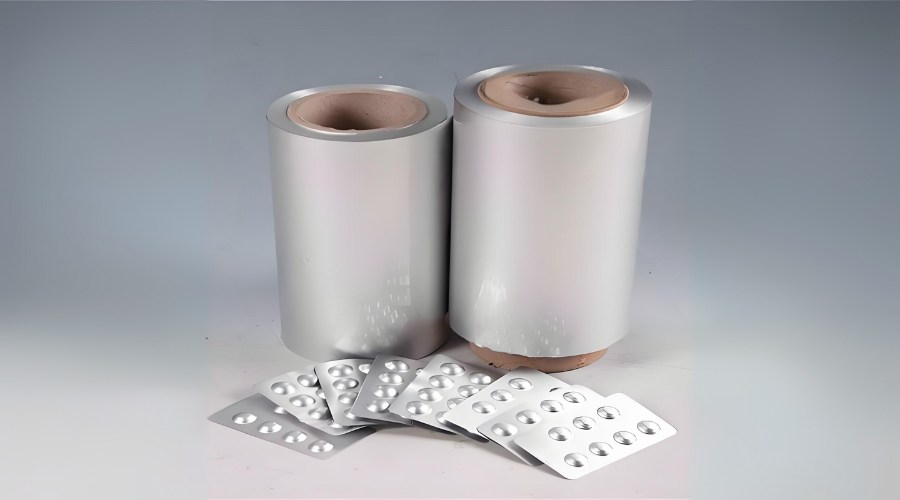
- Pharmaceutical products – Blisters, sachets and multi-dose pouches for tablets, capsules and powders often require ultra-high barrier to moisture and oxygen. CloudFilm can support these projects with high-barrier laminates and dedicated pharmaceutical pouches designed for regulated pharmaceutical applications.
- Medical trays and rigid packs – Thermoformed trays and rigid blister packs for devices or single-dose medicines frequently use PET or PET-based structures. CloudFilm’s APET film can be thermoformed into clear trays and blisters that pair with compatible lidding films for EO, gamma or steam-sterilized packs.
- Diagnostic and liquid reagents – Reagents, buffer solutions and irrigation liquids are often packed in pouches with controlled pour or connection points. In addition to classic pouches, CloudFilm can provide specialized nozzle pouches that match your connectors and filling lines for professional medical and diagnostic use.
Industry Leaders and Technology Trends
The medical flexible packaging industry is characterized by both large multinational corporations and specialized manufacturers. Key players include Amcor, Berry Global, Constantia Flexibles, and Sealed Air, among others. These companies invest heavily in research and development to maintain competitive advantages.
Current technology trends focus on sustainability, with increased use of recyclable materials and biodegradable alternatives. Smart packaging technologies incorporating QR codes, NFC, or RFID for tracking and authentication are gaining traction.
Additionally, high-barrier materials that extend product shelf life while reducing material usage represent a significant innovation direction.
Within this trend, advanced barrier solutions such as EVOH-based laminates and transparent high-barrier structures are increasingly used for moisture- and oxygen-sensitive medicines and reagents. CloudFilm’s EVOH bags support pharmaceutical and diagnostic projects that require strong barrier performance without relying solely on full-foil constructions.
How To Select The Right Medical Flexible Packaging Structure
Step 1 – Define your product and risk profile. Clarify whether you are packaging tablets, powders, liquids, devices or diagnostic kits, and identify sensitivity to moisture, oxygen, light and mechanical stress.
Step 2 – Confirm sterilization and cleanliness requirements. Decide whether the pack will be terminally sterilized (e.g. EO, gamma, steam) or used in a non-sterile but clean environment, as this directly influences material choice and seal design.
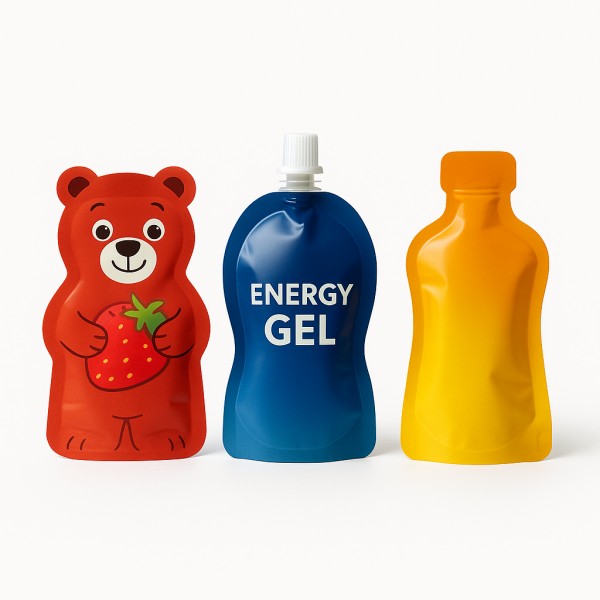
Step 3 – Choose the pack format. Decide between blisters, 3-side seal pouches, 4-side seal sachets, stand-up pouches, thermoformed trays with lidding films or nozzle/spout pouches, based on filling equipment, dosing accuracy and end-user handling.
Step 4 – Select film structures and lidding/web materials. For blisters and strip packs, high-barrier KPET film
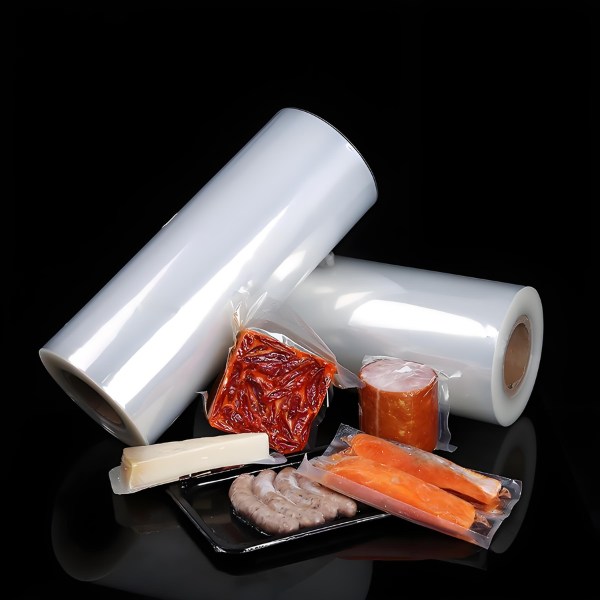
or PVDC PET film can provide stable moisture protection. Peelable tray and pouch lidding can be designed using easy peel film or heat sealable PET film matched to your tray or web substrate. If you operate your own converting lines, CloudFilm can also supply base packaging film rolls for in-house printing, lamination and pouch-making.
Step 5 – Validate with your supplier. Share your product, shelf life targets, sterilization method, testing standards and regulatory region with CloudFilm so that structures, seal windows and documentation can be aligned to your QA and regulatory requirements.

Market Prospects and Investment Opportunities
The medical flexible packaging market is projected to grow at a CAGR of 5.8% from 2024 to 2030, reaching approximately $48.7 billion by the end of the forecast period. Key growth areas include emerging markets in Asia and Latin America, innovative materials with enhanced barrier properties, and smart packaging solutions that offer connectivity and data collection capabilities.
Investment opportunities exist in companies developing sustainable packaging solutions, those specializing in high-barrier materials for sensitive biologics, and firms offering integrated packaging services that combine design, manufacturing, and regulatory compliance support.
For brand owners, converters and investors, working closely with upstream film manufacturers such as CloudFilm can unlock co-development opportunities in high-barrier, recyclable and smart medical flexible packaging, rather than treating packaging as a late-stage cost item only.
Conclusion and Recommended Resources
Medical flexible packaging represents a dynamic and essential component of the healthcare supply chain, balancing protection, sustainability, and cost-effectiveness. As the industry evolves, stakeholders must stay informed about material innovations, regulatory changes, and emerging market trends.
For further exploration, consider resources such as the Healthcare Packaging Association, industry reports from Smithers, and technical publications from packaging research institutes. Engaging with industry conferences and trade shows can also provide valuable networking and learning opportunities.
CloudFilm continuously monitors regulatory updates, material innovations and market developments so that our medical flexible packaging customers can focus on product performance and patient outcomes while relying on us for film structures, pouch formats and export logistics.
FAQs About Medical Flexible Packaging
Q1: What makes medical flexible packaging different from regular flexible packaging?
A1: Medical flexible packaging must meet stringent regulatory requirements for sterility, biocompatibility, and product protection. It undergoes rigorous testing and validation processes to ensure it can maintain product integrity and safety throughout its shelf life.
Q2: What are the most common materials used in medical flexible packaging?
A2: The most common materials include polyethylene (PE), polypropylene (PP), polyethylene terephthalate (PET), polyvinyl chloride (PVC), aluminum foil, and various laminates combining these materials to achieve specific barrier properties.
Q3: How is sustainability being addressed in medical flexible packaging?
A3: The industry is focusing on recyclable mono-materials, reduced material usage through advanced designs, biodegradable alternatives where appropriate, and improved recycling processes. Some companies are also exploring reusable packaging systems for certain medical applications.
Q4: What regulatory standards govern medical flexible packaging?
A4: Key standards include ISO 11607 for packaging of terminally sterilized medical devices, USP standards for pharmaceutical packaging, and regional regulations such as FDA requirements in the US and EU MDR/MDR in Europe.
Q5: How is smart technology being incorporated into medical flexible packaging?
A5: Smart technologies include temperature indicators for cold chain products, authentication features to prevent counterfeiting, QR codes for product information and tracking, and RFID tags for inventory management throughout the supply chain.
Q6: What information should I prepare before discussing a medical flexible packaging project with CloudFilm?
A6: To speed up technical discussion and quotation, prepare details such as product type (tablet, capsule, powder, liquid, device or diagnostic kit), target markets and shelf life, pack format and size, sterilization method (if any), annual volume and first order quantity, as well as any regulatory or documentation requirements (e.g. CoA/CoC, material declarations, test standards).
Q7: Can CloudFilm support small pilot runs or clinical-validation batches before mass production?
A7: Yes. CloudFilm can provide sample rolls and small-batch pouches so you can run line trials, stability studies and clinical-validation batches before committing to full-scale production. This reduces project risk and allows you to fine-tune structures, seal windows and artwork based on real performance data.
Q8: Is medical flexible packaging compatible with different sterilization methods?
A8: Many film and pouch structures can be engineered for EO, gamma or steam/autoclave sterilization, but suitability must be confirmed case by case. CloudFilm evaluates temperature limits, dwell time and potential changes in color, barrier or seal strength, and then recommends structures and seal conditions compatible with your sterilization process.
Q9: Can medical flexible packaging be recyclable or more sustainable?
A9: Some secondary and non-sterile medical packs can already move toward mono-material PE or PP designs to improve recyclability. For primary sterile packs, regulatory and performance requirements are stricter, but CloudFilm can still help by optimizing thickness, choosing more recyclable-rich laminates where feasible, and supporting downgauging projects that reduce total material usage.
Q10: What are typical MOQs and lead times for medical flexible films and pouches from CloudFilm?
A10: MOQs depend on structure, width, thickness and whether printing is required, but many medical flexible packaging projects start from one production batch or partial container loads. Standard specifications can often be produced within a few weeks after order confirmation, with shipping time to your port added on top. Exact MOQ and lead time are confirmed during quotation based on your structure and destination.

Why Work With CloudFilm For Medical Flexible Packaging Projects
CloudFilm offers innovative medical flexible packaging solutions that combine cutting-edge barrier technology with sustainable materials. Our expertise in custom packaging design ensures optimal product protection while meeting global regulatory standards. Partner with us for packaging solutions that enhance your product’s market appeal and performance.
From blister lidding and diagnostic pouches to medical device trays and secondary overwraps, CloudFilm integrates film production, lamination, pouch converting and export logistics, helping you move from specification to shipment with fewer handovers, clearer documentation and more stable long-term supply.