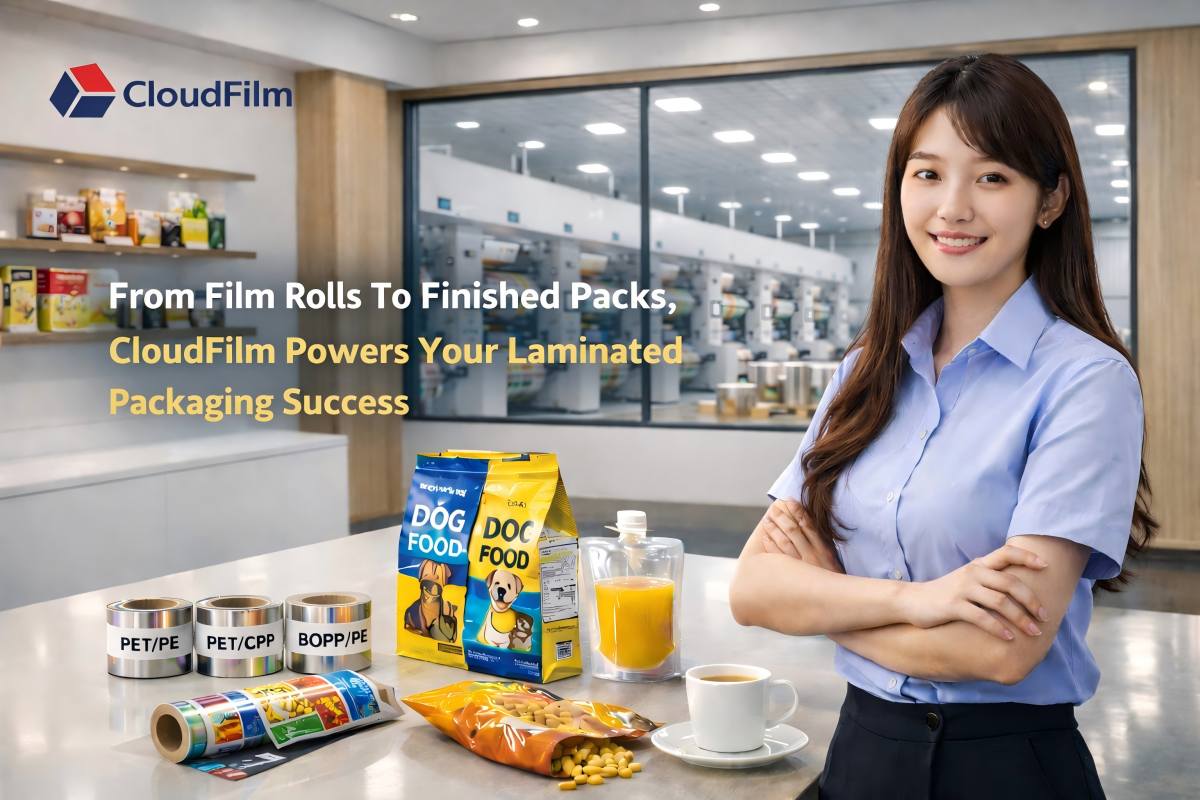
Laminated packaging films sit at the center of almost every modern flexible pack. From coffee pouches and pet food bags to medical pouches and frozen meat packs, these multi-layer structures combine several films into one high-performance solution. For buyers, packaging engineers and brand owners, understanding how laminates work makes it much easier to choose the right structure, control costs and work efficiently with your packaging manufacturer and supplier.
This guide explains what laminates are, why so many brands and converters use them, the most common structures such as PET/PE, PET/CPP, BOPP/PE and PET/AL/PE, and how to select the best option for your project. It also shares practical sourcing tips so you can communicate clearly with your laminated packaging film supplier and avoid trial-and-error.
As a specialist producer in China, CloudFilm engineers and exports flexible packaging films and custom pouches for converters, brands and distributors worldwide, providing base films, laminated rollstock and finished pouches from one integrated source.
What Are Laminated Films In Flexible Packaging?
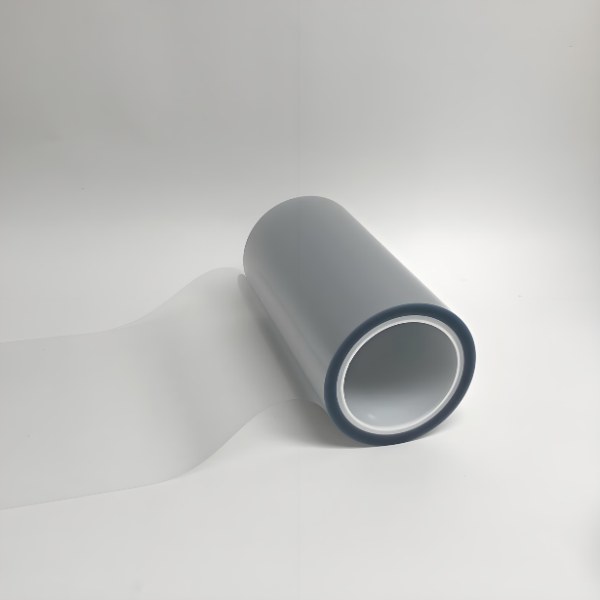
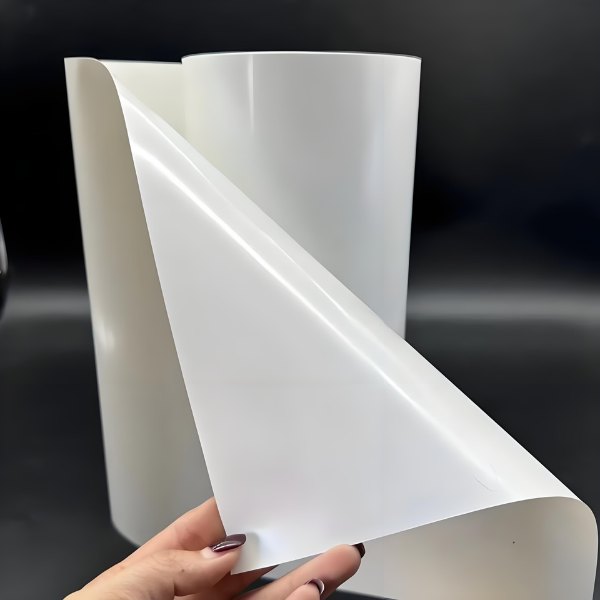
In flexible packaging, a laminate is a structure made by bonding two or more layers of film together using an adhesive or by extrusion lamination. Instead of trying to get all required properties from a single film, you combine the strengths of different substrates in one engineered structure. A classic example is a PET/PE laminate: PET provides stiffness, clarity and printability, while PE offers heat sealing and flexibility.
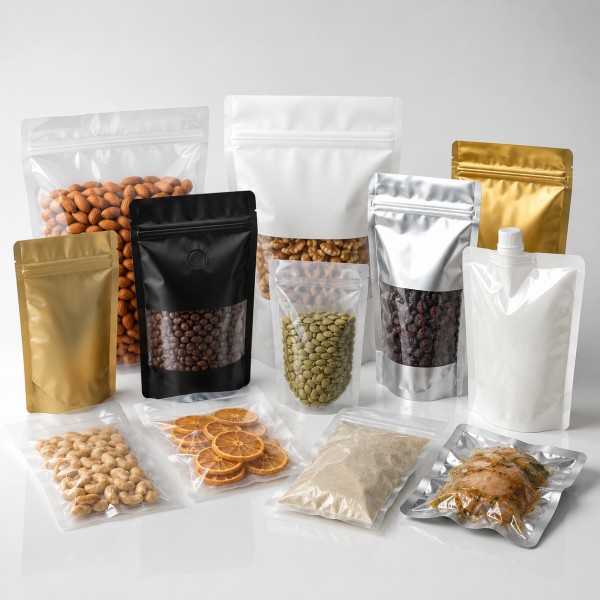
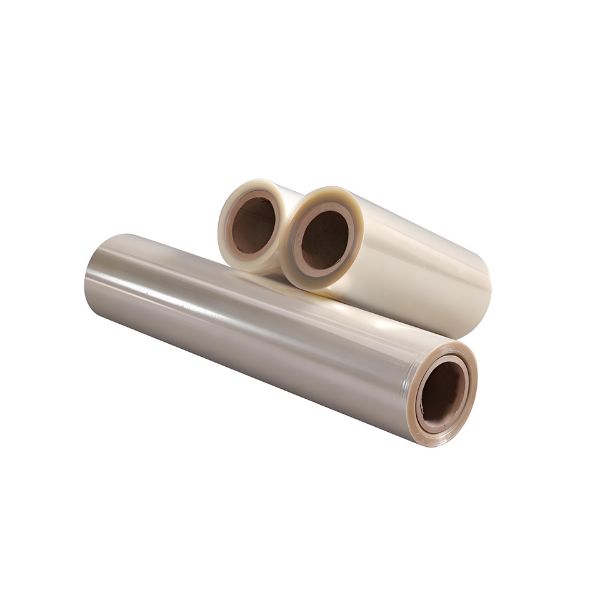
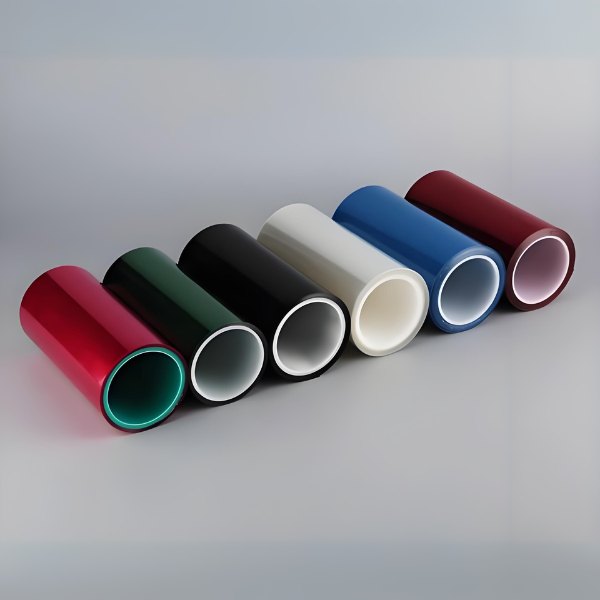
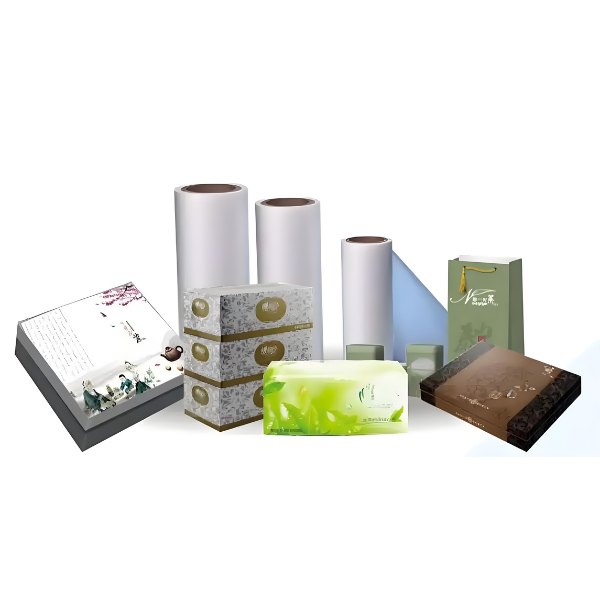
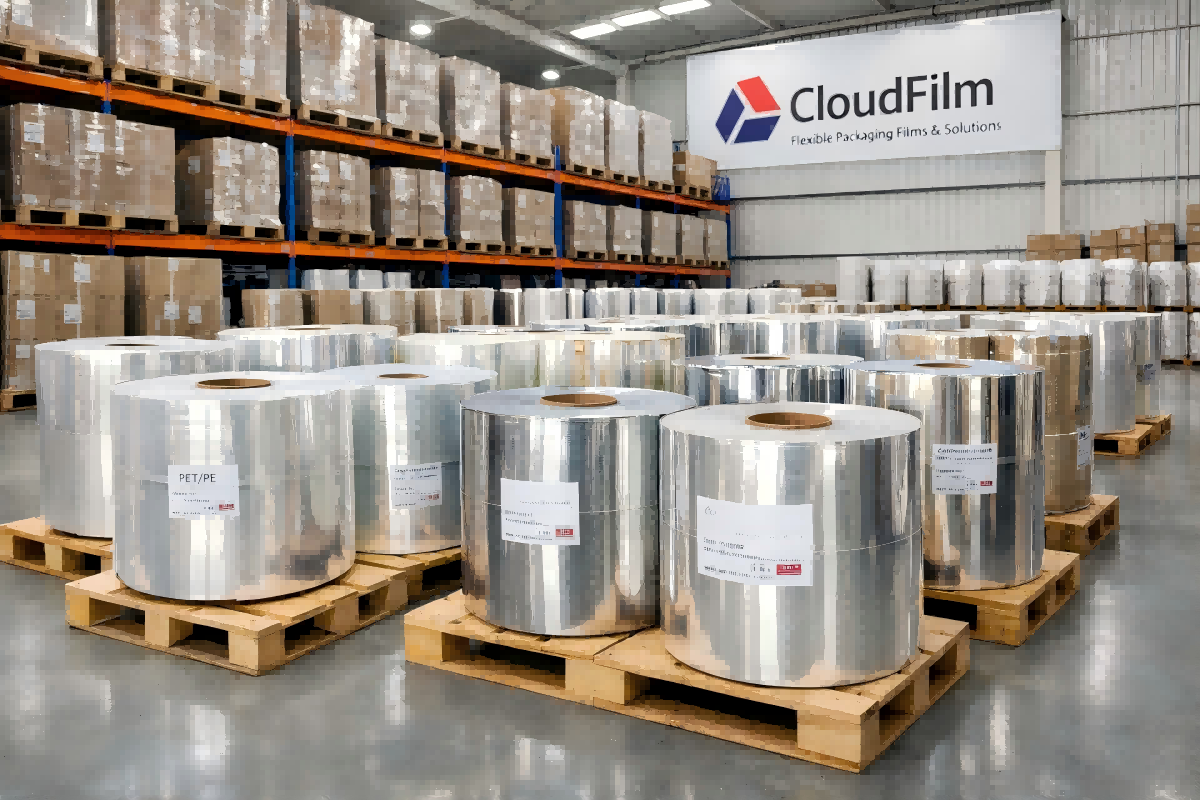
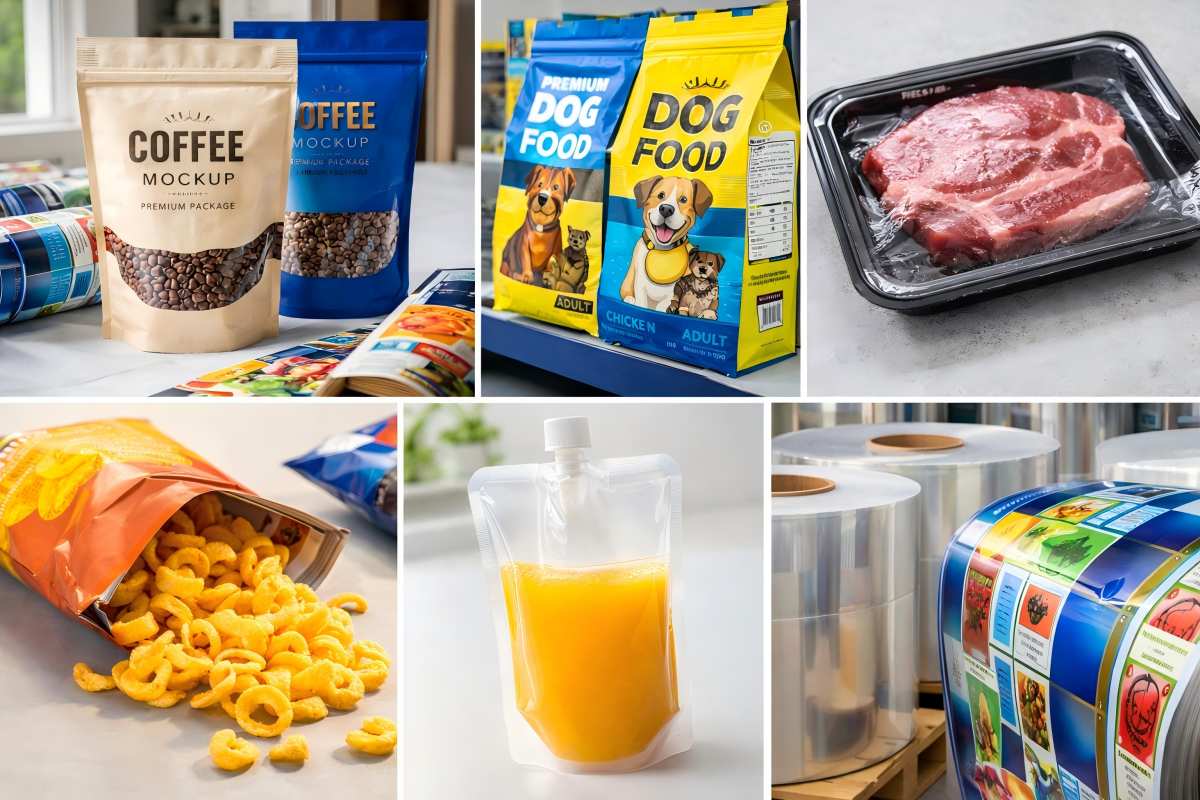
Laminated structures are usually supplied as rollstock to converters or directly to brand owners. They are then printed, slit and converted into pillow bags, stand-up pouches, lidding films, sachets or high-barrier bags for demanding applications. Because each layer can be tuned, laminated films are extremely versatile for food, beverage, personal care, household chemicals, pharmaceutical and industrial packaging.
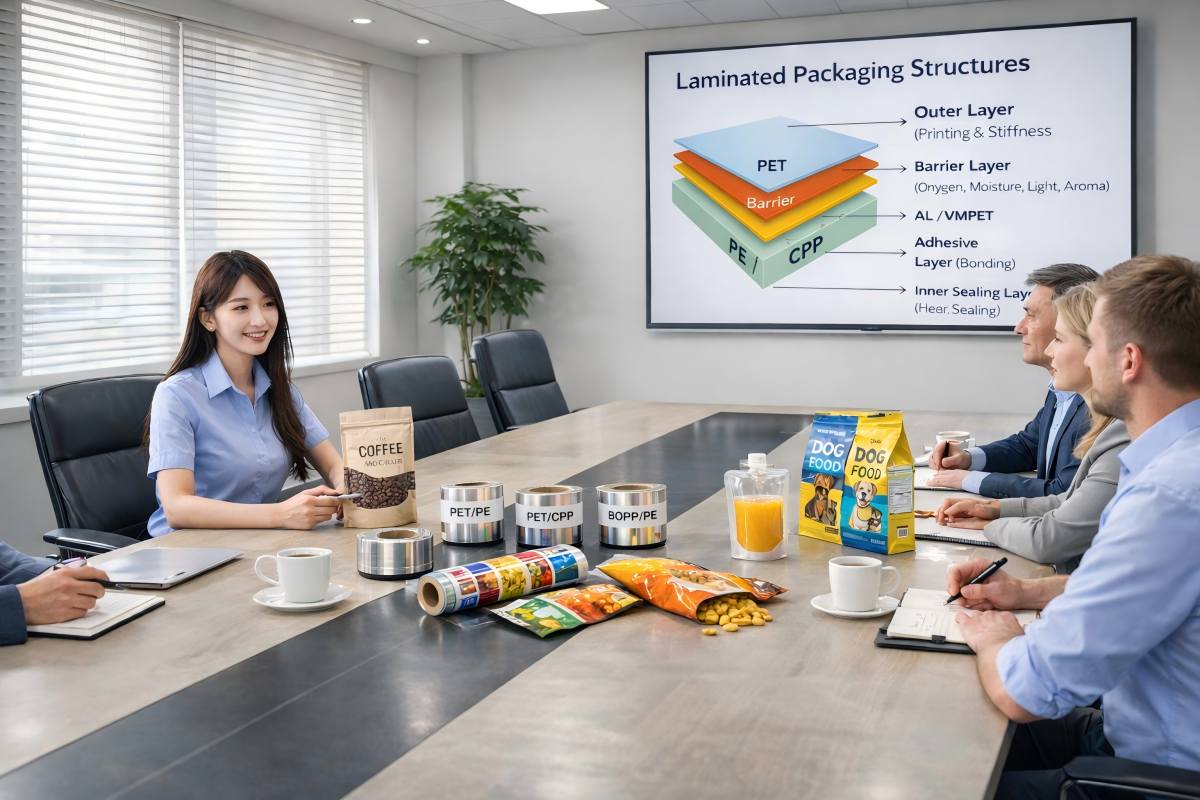
1.1 Key Layers Inside A Laminate
When you look at a typical laminate cross-section, you will usually find the following functional layers:
- Outer layer (printing and stiffness)
Often PET or BOPP. This layer carries the graphics, protects the inks and gives the pack its mechanical strength and “hand feel”. - Middle or barrier layer
This can be aluminum foil, metallized PET or BOPP, PA (nylon) or high-barrier co-extruded films. Its job is to block oxygen, moisture, light or aroma. - Inner sealing layer
Commonly PE or CPP. This side contacts the product and provides hermetic sealing, hot-tack strength and puncture resistance. - Adhesive or tie layer
A very thin layer of solvent-based, solventless or water-based adhesive that bonds the films together and keeps the laminate stable over time.
By combining these elements in different ways, laminated films can be engineered to handle everything from simple dry snacks to aggressive sauces, retort sterilization and cold-chain logistics.
2. Why Do Brands And Converters Use Laminates?
2.1 Better Protection And Shelf Life
Single-layer films often cannot deliver the barrier level needed for long shelf life, strong aroma retention or strict light and oxygen protection. Laminated structures let you pair high-barrier films or aluminum foil with sealant films, so the packaged product stays fresh from filling to consumption. This is critical for coffee, nuts, pet food, powdered drinks, instant noodles and many high-value foods.
2.2 Stronger Branding And Shelf Impact
Because the outer layer is usually PET or BOPP with a smooth, dimensionally stable surface, laminates support high-definition rotogravure, flexographic or digital printing. You can combine matte, gloss, soft-touch or metallized effects to build premium shelf impact and tell a stronger brand story at the point of sale.
2.3 Machine Performance And Sealing Window
Modern vertical and horizontal form-fill-seal (VFFS / HFFS) lines, as well as automatic pouch-making machines, need films with controlled friction, stiffness and sealing behaviour. By combining PET, BOPP, CPP and PE in a laminate, you can fine-tune how the film behaves during unwinding, forming, sealing and cutting. This reduces downtime, improves sealing consistency and lowers total packaging cost per unit.
2.4 Design And Sustainability Flexibility
Laminates give packaging designers much more freedom. You can add laser scoring for easy tear, high-barrier windows, tactile finishes or recyclable mono-material structures based on BOPE or MDOPE. As sustainability requirements grow, more buyers are switching from rigid packs or complex mixed-material structures to carefully engineered laminates that balance performance with recyclability.
For a wider material overview, many buyers start from CloudFilm’s plastic film types guide, then narrow down to specific laminates such as PET/PE, PET/CPP or BOPP/PE.
3. Common Laminated Structures And Their Uses
Below are some of the most widely used laminate structures in flexible packaging and where they are typically used.
3.1 PET/PE Laminated Film – A Versatile Workhorse
PET/PE is one of the most common laminates in the market. The PET side provides stiffness, high clarity and excellent print quality, while the PE side seals easily and offers good moisture resistance. This structure is widely used for stand-up pouches, flat pouches, lidding films and general-purpose bags for snacks, frozen foods, cereals, rice, powders and daily chemicals.
If you are looking for a clear, food-contact safe and heat-sealable laminate from a single manufacturer, CloudFilm’s PET/PE laminated film range is often the first structure to consider for new projects.
3.2 PET/CPP Laminated Film – For Higher Temperature And Retort
When filling temperatures are higher or when you need stronger puncture resistance, PET/CPP becomes a very attractive choice. CPP is softer than PE, with a wider sealing window and better hot-tack. Combined with PET, this laminate works well for sauces, retortable outer packs, medical pouches and technical products that need high toughness during transport.
CloudFilm supplies PET/CPP laminated film for applications ranging from snacks and dry foods to chilled and retort packs. For a deeper technical comparison between the two materials, you can also refer to the dedicated PET vs CPP film guide.
3.3 BOPP/PE And BOPP/CPP – Cost-Effective Dry Food Packs
BOPP-based laminates are very popular for dry snacks, biscuits, confectionery and bakery products. Compared with PET, BOPP has a lower density and can sometimes reduce cost while still delivering good stiffness and moisture barrier. By combining BOPP with PE or CPP, converters build pillow bags and gusseted bags that run smoothly on high-speed lines.
Typical examples include transparent or matte BOPP outside with a heat-sealable inner layer, or metallized BOPP combined with PE or CPP when you need improved light and aroma barrier without using aluminum foil. When you want more detail on this structure, CloudFilm’s BOPP/PE laminated film structure guide is a useful reference for both buyers and engineers.
3.4 PET/AL/PE, PET/PA/PE And Other High-Barrier Laminates
For coffee, pet food, nuts, spices and sensitive products, high-barrier laminates such as PET/AL/PE and PET/PA/PE are still widely used. The aluminum or nylon layer provides very low oxygen and moisture transmission, while PET and PE complete the structure with printability and sealing. These structures are common in premium pet food bags, vacuum packs and long-shelf-life products.
In some cases, metallized PET or metallized BOPP can replace foil to reduce weight while keeping a strong barrier. CloudFilm’s portfolio of metallized BOPP and aluminized PET films supports coffee, tea, snack and industrial packaging where a metallic look and improved barrier are needed.
3.5 Mono-Material Laminates For Recycling
To meet recyclability guidelines, more projects now use mono-material laminates such as all-PE (BOPE/PE, MDOPE/PE) or all-PP (BOPP/CPP). In these structures, both layers belong to the same polymer family so the finished pouch is easier to sort and recycle. They still need careful engineering to balance stiffness, sealing and barrier, but they are becoming mainstream in many export markets, especially for pet food and household products.
4. How Laminated Films Are Produced
Although the exact process depends on the product and equipment, most laminated films are produced in the following steps:
- Base film production – Individual films such as PET, BOPP, PA, CPP or PE are extruded and oriented according to the required properties.
- Surface treatment and priming – Films are corona treated or chemically primed to ensure good adhesion for inks and adhesives.
- Printing – The outer web is printed with rotogravure, flexographic or digital technology, using food-contact compliant inks where required.
- Lamination – The printed web is combined with one or more inner webs using solvent-based, solventless or water-based adhesive, or through extrusion lamination.
- Curing – The laminated roll is stored to allow adhesive curing, which stabilises bond strength and reduces residual solvents.
- Slitting and inspection – The master roll is slit into customer widths and quality-control checks bond strength, appearance, winding quality and other key parameters.
Working with an experienced laminates manufacturer means these steps are controlled under one umbrella, reducing risk and giving you a single point of responsibility for performance, documentation and traceability.
5. How To Choose The Right Laminate Structure
5.1 Start From Your Product And Process
Before talking about film thickness or exact structures, clarify the basics of your project:
- Product type (dry food, liquid, powder, fatty or acidic products, chemicals, pharmaceuticals, technical goods)
- Target shelf life and distribution chain (local, export, ambient, chilled, frozen)
- Filling temperature and sterilization method (cold-fill, hot-fill, pasteurization, retort)
- Packaging format (pillow bag, stand-up pouch, spouted pouch, lidding film, vacuum pack)
- Existing packing machine type and limitations
With this information, a good laminated film supplier can quickly narrow down to one or two candidate structures instead of testing many random options. CloudFilm’s All Flex packaging guide
explains this “application first” thinking in more detail and shows how to map different products and formats to suitable laminates.
5.2 Define Barrier And Mechanical Requirements
Next, estimate the oxygen, moisture and light barrier your product needs. High-fat and aromatic products typically need stronger barrier than simple dry goods. Also consider puncture resistance, tear direction, stiffness and hot-tack requirements. A coffee pouch for export by sea has very different demands from a simple pillow bag for local noodles.
5.3 Consider Sustainability And Recycling
More brand owners are moving from mixed-material laminates toward recyclable mono-material structures or designs with lower total material usage. Ask your supplier whether an all-PE, all-PP or downgauged laminate could meet your needs. Sometimes switching from foil to metallized film, or from PET/PE to BOPE/PE, can improve recyclability without sacrificing performance.
For a strategic view of materials, you can combine the plastic film types guide with CloudFilm’s content on recyclable mono-PE and mono-PP structures when planning your roadmap for sustainable laminates.
5.4 Evaluate Total Cost, Not Only Price Per Kilogram
While the price per kilogram of a laminate is important, it is only one part of the real packaging cost. Yield per square meter, machinability, sealing speed, waste rate and product protection also affect your overall cost per packed unit. In many cases, a slightly higher-cost laminate with better machinability and fewer complaints results in a lower total cost for the buyer.
If you are taking a more strategic view of flexible packaging, CloudFilm’s custom packaging solutions guide shows how film structures, printing and pouch formats can work together to elevate both cost efficiency and brand image.
6. Working With A Laminated Packaging Film Supplier
Choosing the right laminated film manufacturer and supplier is as important as choosing the right structure. When you evaluate potential partners, consider the following points:
- Material coverage – Can the supplier provide PET, BOPP, BOPA, PE, CPP, high-barrier films and finished pouches, or do you need to coordinate multiple vendors?
- Technical support – Do they have packaging engineers who can translate your product brief into clear film specifications and give practical recommendations, instead of just sending a price list?
- Printing and lamination capability – Can they provide high-quality printing, multiple lamination methods and consistent quality control across rollstock and pouches?
- Documentation and compliance – Are food-contact certificates, migration test reports and batch traceability available on request for your target markets?
- MOQ and lead time – Are they flexible for pilot runs, while still being able to handle full container loads for mature projects?
CloudFilm positions itself as a long-term partner rather than a simple film vendor, combining films, laminates and finished pouch formats for different industries through its flexible packaging solutions approach. Working with one integrated supplier helps you reduce interfaces, shorten development time and keep specifications consistent from film to finished bag.
7. FAQs – Laminates In Flexible Packaging
Q1. What Is The Difference Between A Laminate And A Single-Layer Film?
A single-layer film is made from one material and offers a limited set of properties. A laminate combines two or more films into one structure, so you can get better barrier, stronger seals, richer printing and improved machinability in a single packaging solution.
Q2. When Should I Choose PET/PE Instead Of BOPP/PE?
Choose PET/PE when you need higher temperature resistance, better stiffness and excellent print stability, for example for export coffee, premium snacks or lidding films. Choose BOPP/PE when cost and moisture barrier are more important than high-temperature performance, such as for many local dry snacks and bakery products.
Q3. Are Laminated Films Recyclable?
Traditional multi-material laminates with mixed polymers and aluminum foil are difficult to recycle in many markets. However, mono-material laminates such as BOPE/PE or BOPP/CPP are designed to be more compatible with existing recycling streams. Local regulations and collection systems will determine what is possible in practice, so it is best to design laminates in line with regional guidelines.
Q4. What Information Does A Supplier Need To Recommend A Laminate?
To get a fast and accurate recommendation from a laminated film manufacturer, prepare basic information such as product type, filling temperature, target shelf life, packaging format, expected annual volume, current issues with existing films and any sustainability targets. Clear data helps the supplier design a structure that fits your needs from day one.
Q5. What Is A Typical MOQ For Laminated Rollstock?
Minimum order quantities depend on the number of layers, printing colours and whether cylinders or plates are new or already available. For many standard printed laminates, suppliers can start from a few hundred kilograms per design, while large repeat orders may reach several tons or full-container loads. It is often possible to run smaller pilot quantities when you develop a new project.
Q6. Can One Partner Supply Both Laminated Films And Finished Pouches?
Yes. Working with a supplier that offers both laminated rollstock and finished pouches simplifies your supply chain. You can develop one structure, test it on the filling line, and then scale up without changing suppliers. CloudFilm’s role as a food packaging film manufacturer and supplier and flexible pouch provider makes it easier to keep films and pouches aligned.
Q7. Are Laminated Films Safe For Direct Food Contact?
When produced with food-contact compliant resins, inks, adhesives and under good manufacturing practice, laminated films are suitable for direct or indirect food contact. Always request relevant compliance documents and migration test reports for your target markets, and share your filling and sterilization conditions so the supplier can confirm suitability.
Q8. How Long Does It Take To Develop A New Laminate?
Lead time for a new laminate depends on how complex the structure and artwork are. A simple unprinted or standard printed laminate can often be sampled within a few weeks. Projects requiring new cylinders, special barrier layers or extensive testing will take longer. Early communication with your supplier about timelines, test volumes and approval steps is the best way to keep projects on schedule.
Q9. How Can I Reduce The Cost Of My Current Laminated Packaging?
Cost reduction is not only about choosing a cheaper film. You can also improve yield by optimizing thickness, switch to a lower-density structure, increase line speed through better machinability, or reduce waste by improving sealing performance. An experienced laminates manufacturer can review your current pack and suggest a combination of material and process improvements.
Q10. Why Work With A Specialist Laminated Packaging Manufacturer In China?
Partnering with an established laminated film manufacturer and supplier in China can give you access to a wide range of base films, competitive pricing and flexible production capacity. With the right partner, you benefit from strong technical support, fast sampling, integrated logistics and the ability to grow from small trial orders to full-scale production without changing your packaging supplier.
If you are planning a new project or want to upgrade your current laminated packaging, prepare your key data and share it with a specialist supplier like CloudFilm. Together you can design a laminate that fits your performance, cost and sustainability goals.